Nutrvelle
image
image
image

Everyday Food Choices That Support Better Health

6 min read
Feb 14, 2026
Contributor:Priya Sharma

Good nutrition isn't about a perfect diet — it's about a few habits you can actually keep.

Most people don't need a complete overhaul. They need to close two or three specific gaps, consistently, over time.

This guide breaks down five habits that make the biggest difference, and where a supplement can responsibly fill in the rest.
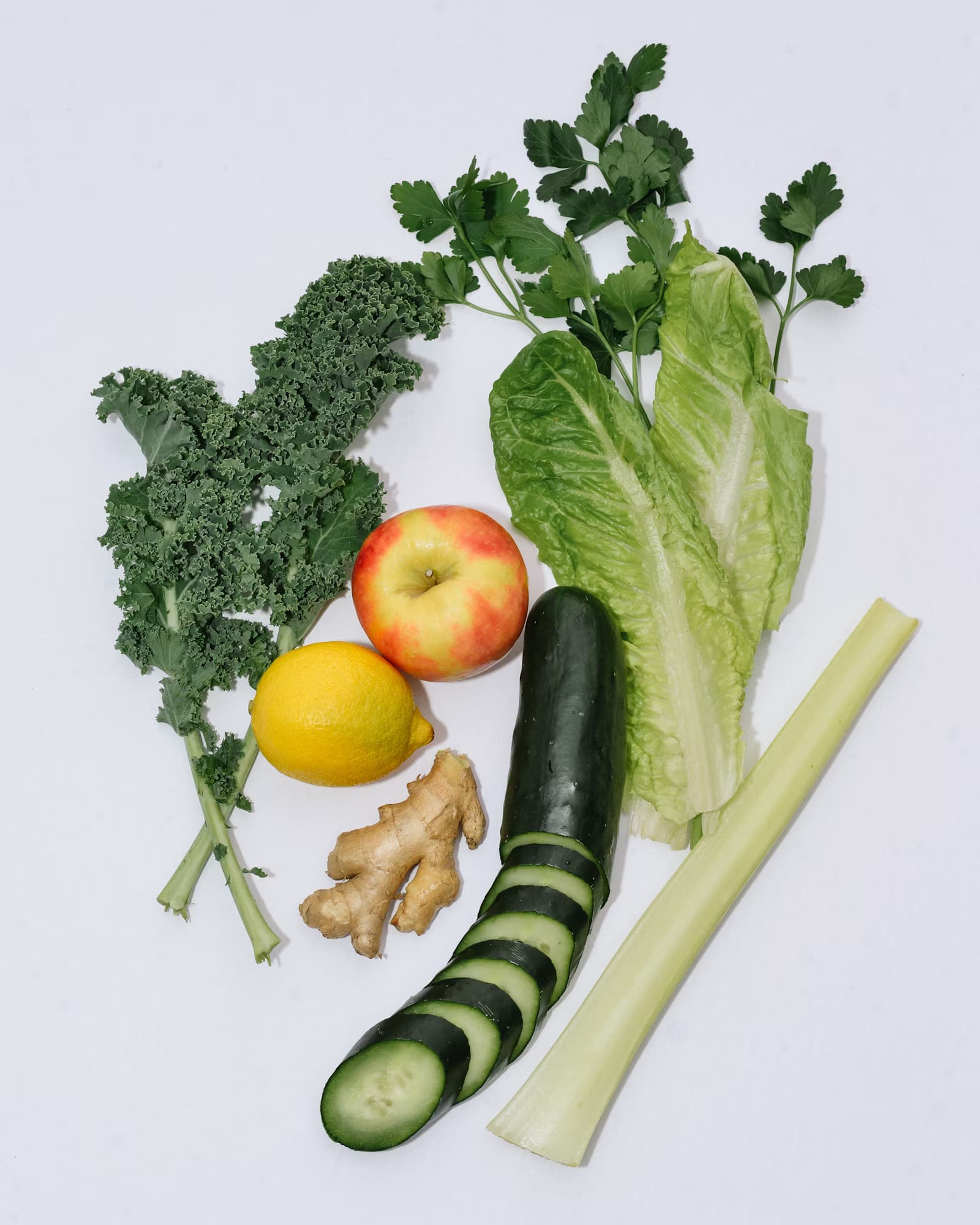

What Does "Everyday Nutrition" Actually Mean?

Everyday nutrition is the baseline your body runs on — protein, fiber, hydration, and a handful of micronutrients most diets fall short on, day after day.

Think of it as maintenance, not a diet plan. It's less about restriction and more about giving your body what it consistently needs to function well.

This is also where supplements earn their place: not as a replacement for food, but as a way to close specific, measurable gaps.

image

Whole Foods vs. Supplements: What's the Real Difference?

Neither one replaces the other — they solve different problems. Here's how they actually compare:

Whole FoodsSupplements
Nutrient deliverySlower, needs digestion & varietyFast, concentrated single nutrients
Best use caseEveryday baseline nutritionFilling specific, diagnosed gaps
ConsistencyVaries with season, soil, freshnessStandardized dose every time
Extra benefitsFiber, phytonutrients, satietyTargeted actives at clinical doses
AbsorptionDepends on food matrix & gut healthDepends on formulation quality

How Does Your Body Actually Absorb What You Take?

Not all supplements are created equal — the form a nutrient comes in changes how much of it your body can actually use.

Here's how the most common formulation types compare on real-world absorption:

Absorption rateLower, more is lost during digestionHigher, more reaches the bloodstream
Best use caseGeneral maintenance dosesCorrecting a diagnosed deficiency
Onset timeSlower to show a noticeable effectFaster, often within a few weeks
Stomach toleranceCan cause mild discomfort in some peopleTypically gentler on digestion
CostLower price per servingHigher price per serving
Overall valueFine for everyday baseline needsWorth it when absorption really matters

This is exactly why two products with the same nutrient listed on the label can perform completely differently in practice.

Checking the ingredient form is a small habit that pays off far more than switching brands based on price alone.

Which Nutrition Claims Are Actually Worth Trusting?

Wellness advice online rarely comes with context — the same claim can be solid science or a stretch, depending on the person and the dose.

Before acting on a nutrition tip, it helps to check it against a few consistent questions:

    do multivitamins actually work

    best time to take vitamin d

    how much protein do i really need

    are gummy vitamins as effective

    signs of a nutrient deficiency

"Boosts immunity"Sounds like guaranteed protectionCheck if it supports function, or claims to prevent illness outright
"Detoxes your body"Implies a deep internal cleanseYour liver and kidneys already handle this
"Clinically proven"Implies strong scientific consensusLook for a named, replicated study
"Natural = safe"Feels automatically low-riskDosage and interactions still apply
"All-in-one formula"Sounds efficient and completeCheck if key nutrients are under-dosed to fit them all in
"Doctor recommended"Implies personalized medical adviceAsk which doctor, and for whom

A claim showing up everywhere doesn't make it true — and a claim being new doesn't make it false.

A few checks make it easier to tell the difference:

    Does it cite an actual study, or just say "studies show"?

    Is the claim specific — a nutrient, a dose, a population — or vague?

    Would a doctor or dietitian say the same thing, unprompted?

How Small Habits Compound Into Long-Term Wellness

None of this works as a one-time fix — the value comes from repetition, not intensity.

Hydration Is the Cheapest Upgrade You're Not Making

Mild dehydration alone can mimic fatigue, headaches, and poor focus — before nutrition even enters the picture.

    Even 2% fluid loss can measurably reduce focus and physical performance

    Most people fall short of their daily water needs by a noticeable margin

image

Hydration is easy to overlook because thirst is a lagging indicator — by the time you feel it, you're often already behind.

A few honest questions can help you catch it earlier:

    Are you drinking water only after you already feel thirsty?

    Does your intake change with heat, activity, or caffeine?

    Could the afternoon slump you're blaming on food actually be dehydration?

Protein Timing Matters More Than Most People Think

Spreading protein across the day supports steadier energy and better recovery than loading it all at dinner.

A few adjustments make this easier to stick to:

    Include a protein source at every meal, not just one big serving

    Pair protein with fiber to improve satiety and slow digestion

    Don't rely on dinner alone to hit your daily target

Consistency Beats Perfection, Every Time

A supplement or habit followed most days will always outperform a "perfect" routine you abandon after two weeks.

A few ways to make consistency easier:

    Anchor it to an existing habit, like brushing your teeth or making coffee

    Track adherence for a month before judging whether it's working

    Expect gradual change — most benefits compound over 8–12 weeks

image
Made with❤️Appsketch